Kids are born curious.
They don't need to be taught how — they need adults who know when to get out of the way.
From the moment children can reach and grab and ask "why," they are already learning. The impulse to explore, probe, test, and question is as natural as hunger. The problem isn't that kids lose curiosity — it's that adults, often with the best intentions, interrupt it.
Parents, teachers, coaches, older siblings — most of us have a habit of stepping in to teach, redirect, or "help" at the exact moment a child is figuring something out on their own. The lesson lands, but the spark dims a little each time. What kids need most isn't a better curriculum or a smarter schedule. They need adults who recognize that curiosity is already running — and who resist the urge to take over the wheel.
Key Takeaways
- Model curiosity by asking questions, exploring answers together, and showing that learning is part of everyday life.
- Create simple parent-child learning activities that feel playful, low pressure, and easy to start today.
- Support motivation by focusing on effort and growth, helping kids feel safe to try and improve.
- Encourage engagement by following your child’s interests and letting them help guide what to learn next.
UNDERSTANDING CURIOSITY-LED LEARNING
Curiosity-driven learning is when a child’s questions lead the way, and learning happens because they genuinely want to know. That matters because curiosity is a basic element of cognition, so feeding it supports how kids think and grow. Your role is less “teacher” and more steady guide who shows up consistently.
When kids feel your attention is reliable, they take more learning risks and stick with harder tasks. Small confirmation moments like “Tell me more” build self-motivation that doesn’t depend on prizes or pressure. Consistency comes from two simple moves: block a short “kid time” slot on your calendar and remove distractions like phones or background TV, especially during work-heavy stretches, when working moms can use specific strategies to protect quality time with their kids so connection doesn’t get crowded out.
Picture a hectic weeknight where you still protect 12 minutes after dinner. You sit on the floor, silence your phone, and follow their “why is the moon out?” trail. That focused presence turns everyday wonder into a learning habit.
These small pockets of attention make daily learning routines feel natural, not like another chore.
SMALL, REPEATABLE HABITS THAT GROW CURIOSITY
Habits work because kids trust what happens again and again. And if you don’t interfere with a child’s curiosity, you will likely find that good habits establish themselves. Try these simple practices to make learning feel normal.
Question of the Day
What it is: Invite one “why” or “how” question at a meal.
How often: Daily
Why it helps: It makes wondering out loud feel safe and valued.
Two-Minute Wonder Walk
What it is: Step outside and name three things you notice.
How often: Daily
Why it helps: It trains attention, the doorway to deeper questions.
Kid-Led Mini Research
What it is: Let them pick a topic using child-centred learning.
How often: Weekly
Why it helps: Choice builds ownership and longer-lasting interest.
Think-Aloud Learning
What it is: Say what you are figuring out while you cook or fix.
How often: 3 times weekly
Why it helps: It shows mistakes are part of learning.
Curiosity Reflection Jar
What it is: Drop one question on paper and revisit it later.
How often: Weekly
Why it helps: It turns fleeting wonder into a follow-up plan.
SUGGESTION: Pick one habit this week, then tweak it until it fits your family.
Home Setup Checklist for Curious Kids
A warm, well-stocked space invites questions without you needing a big lesson plan. Use this checklist to set up a stimulating learning environment that nudges exploration, creativity, and hands-on learning on ordinary days.
✔ Choose a “curiosity spot” with a small basket of rotating materials
✔ Stock open-ended creative play resources like paper, tape, and markers
✔ Keep kid-friendly nonfiction and storybooks within easy reach
✔ Set out one weekly “tinker tray” for building, sorting, or experimenting
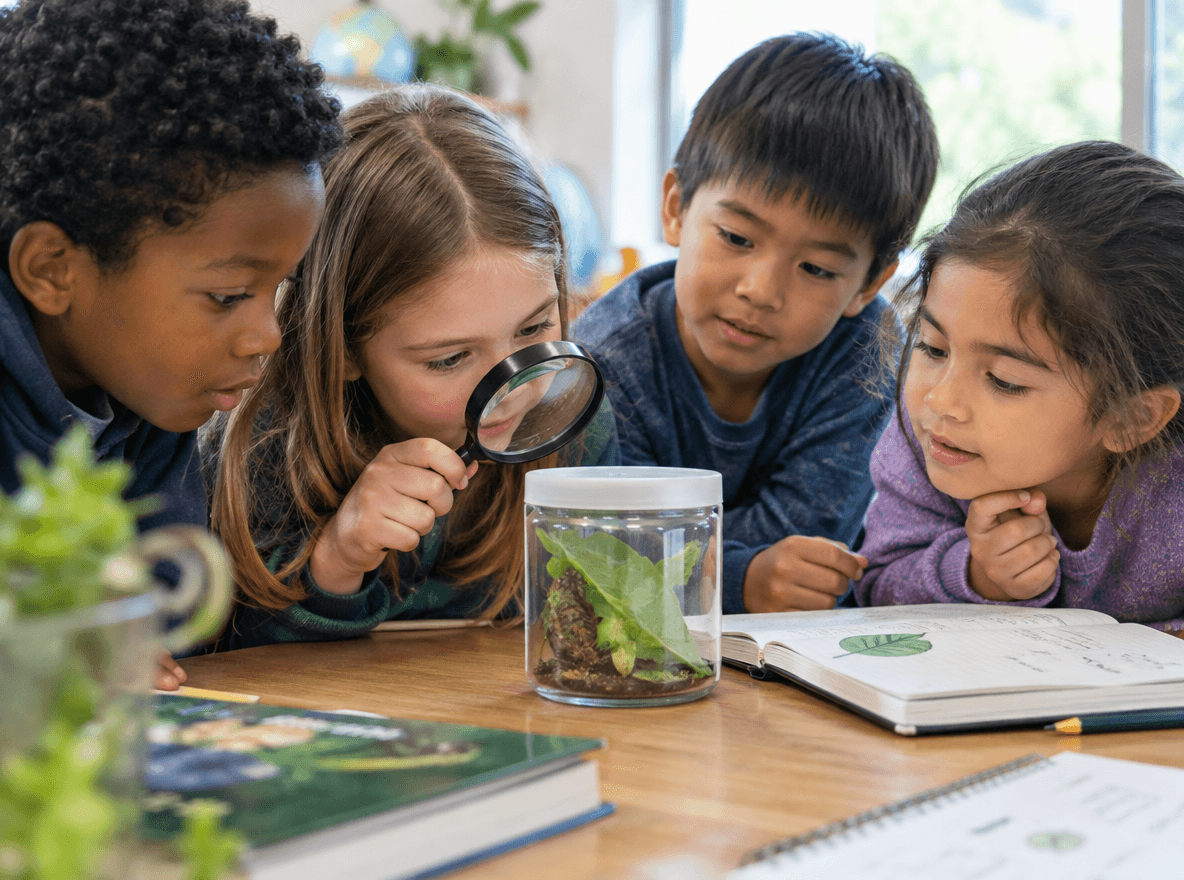
✔ Add simple educational materials at home like a map, magnifier, or timer
✔ Save a family question list and pick one to explore
✔ Schedule a 15-minute screen time block for a learning app
Small setups create big curiosity, one day at a time.
Start One Weekly Ritual That Keeps Kids Curious
It’s easy to feel like a child’s love of learning depends on doing everything right, having the perfect supplies, the perfect schedule, the perfect answers. But the real support comes from a steady parental role in learning: showing up with interest, making room for questions, and treating exploration as normal life.
Over time, that mindset strengthens child engagement motivation and helps sustain a love of learning even when school feels hard. Curiosity grows best when it’s welcomed, not pressured.
Choose one curiosity ritual to start this week, maybe a nightly “wonder question” or a short weekend project, and stick with it. Those small, repeatable moments become long-term learning support that encourages lifelong curiosity and resilience.
Nadine Reid is the founder of YoungMom.org and is a young mom herself. Through YoungMom, she has created a platform to connect with fellow moms and do her best to provide them with the support they need to succeed in motherhood. The website offers advice on everything from pregnancy and childbirth to parenting and self-care. Contact Nadine at her website: YoungMom.org.
